Crown Street, Wollongong, 2500

The Most Important Trust Signals for Product Pages
March 5, 2026
Trust is always the first stage of any buying journey. For ecommerce, customers landing on the product page is often the make-or-break moment for building trust.
Once on the product page, they are most likely assessing the brand and its site, asking questions such as:
Is this brand legitimate?
Is the product accurately represented?
What happens if something goes wrong?
So, what builds trust on a product page? Here are the most important trust signals to prioritise, and how to implement them effectively.
High-Quality Product Photos (and Video)
Since visitors cannot physically inspect your products, photos are the closest substitute for seeing them in person. They will often be the first thing visitors’ eyes gravitate towards, and judge, upon landing on the product page. Not your copy, product specifications, or even price.
Because of this, crisp, high-quality product photos are non-negotiable for building trust. More specifically, a study from the City University of Hong Kong found that photos with the following qualities were preferred by customers:
- The product is the main object and is larger and more prominent in the photo, with less clutter.
- Photos that are warmer in tone, higher in contrast, and more sharply focused.
- Inclusion of elements of social presence, such as people interacting with the product.
Beyond photos, videos can foster trust further. They provide an even more concrete demonstration of the product’s size, appearance, and how it is meant to be used.
Professional Presentation
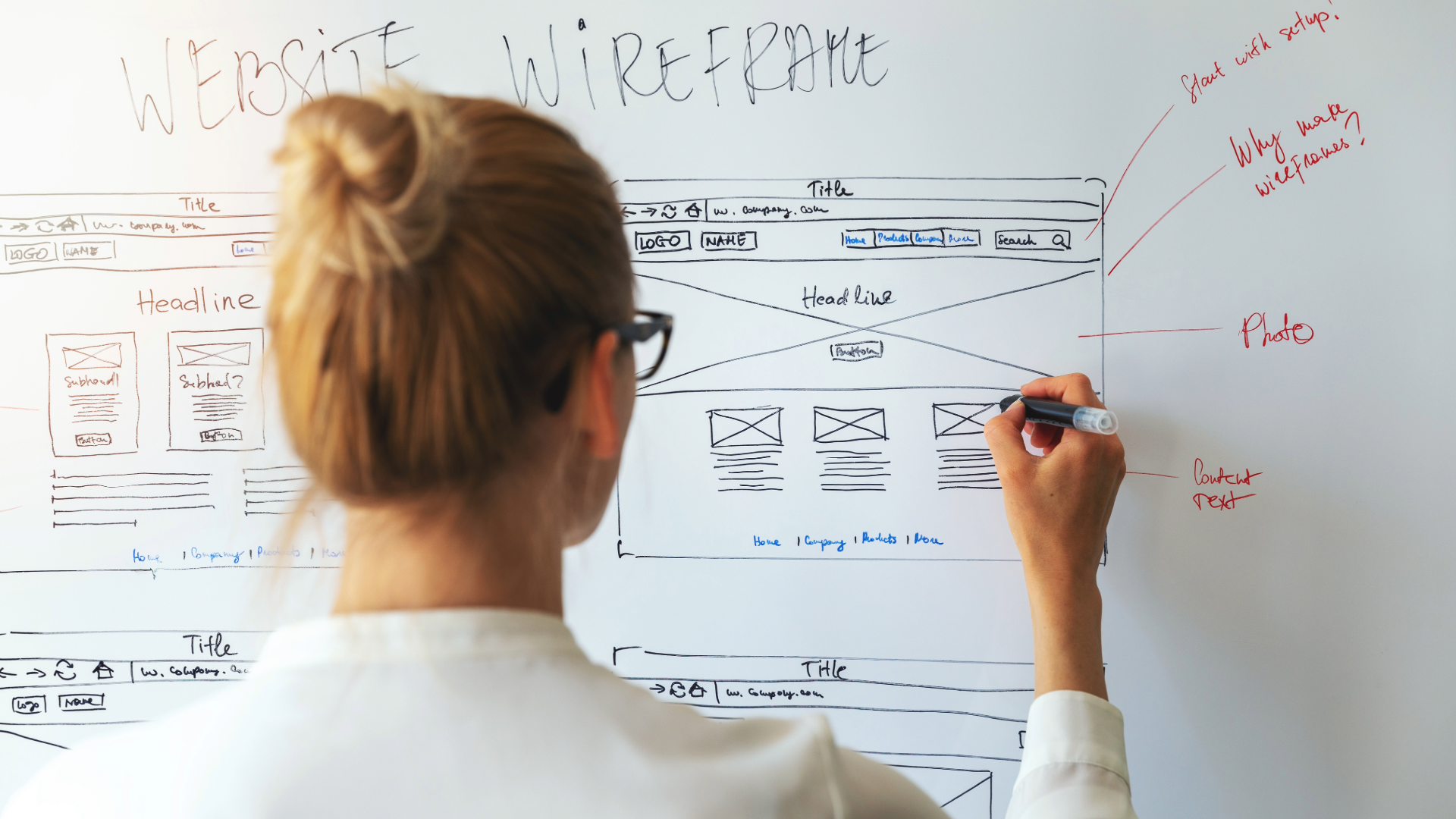
Aside from how your photos look, how your site itself looks is just as important.
Pages need to appear polished and visually cohesive, with a clean layout, consistent typography, and relevant, high-quality graphical elements. This signals competence and professionalism, whereas cluttered-looking sites, mismatched fonts, or outdated graphics will raise concerns about the business’s legitimacy.
Part of this presentation is also the page’s technical performance. Slow-loading pages, broken links, or formatting issues will always plant doubts, no matter how appealing the product may actually be.
Clear, Detailed Product Information
Trust is built on certainty. Customers want to know, with as much certainty as possible, exactly what they are buying. As such, it is crucial to list product specifications and be as detailed as possible.
This includes:
- Specifications
- Dimensions and materials
- Compatibility details
- Inclusions
- Warranty information
While some brands use vague descriptions to hide product shortcomings, today’s buyers tend to be far more informed and cautious. They know that they are buying online and will likely conduct independent research. Because of this, vague descriptions will only create hesitation.
This is particularly important for products that are feature-heavy or specification-driven, such as tech gadgets.
Reviews and Social Proof
Of course, online customers know that brands will always present their products in the best possible light. As such, most visitors will want to look at independent reviews from real people who have bought the product.
It is always better to be transparent and present a mix of positive reviews and constructive feedback on the site. This appears more authentic than flawless five-star ratings across the board.
Further build trust by showing that these reviews are genuine. Use verified buyer badges and review filters, and allow, or even encourage, buyers to post photos. These signal transparency and help shoppers find relevant review details more quickly.
Transparent Pricing and Policies
Hidden costs erode trust dramatically. In fact, it is a leading cause of shoppers abandoning their carts. Customers will feel misled, even manipulated, when unexpected fees appear at checkout, even if the additional amount is small.
Common examples include add-ons that appeared to be included in the base product or “product protection fees” that are automatically ticked at checkout.
This creates friction, and friction kills many conversions.
Instead, display exact prices early. If additional costs, such as shipping fees, apply, make them visible or provide an estimator. If you offer free shipping above a threshold, highlight it.
Return and refund policies are equally important. A simple, clearly stated return window, such as “30-day returns”, significantly reduces perceived risk. Have a visible link to your full return or refund policy as well.
Security
Online shoppers are understandably cautious about sharing personal and financial information.
After all, being manipulated into giving away card or bank details is the most common way people fraudulently lose money online. This is why many individuals use tools such as a VPN by Surfshark when browsing or shopping online to ensure their connections are encrypted.
Additionally, shoppers should recognise trust badges such as PCI DSS compliance seals, SSL certificates, and accepted payment logos (Visa, Mastercard, PayPal). These should be displayed prominently near your checkout buttons. It is imperative to assure customers that their payments and information are protected and handled responsibly.
Availability and Delivery Clarity
Customers also want certainty around fulfilment. If an item is low in stock, state it clearly. If it is back-ordered, provide realistic timeframes.
Delivery expectations are particularly important in Australia, since shipping times can vary significantly by location.
Providing accurate delivery estimates helps customers avoid post-purchase anxiety and reduces unnecessary support enquiries for the brand.
Conclusion
In essence, trust boils down to transparency.
Think of your product page as your salesperson. With no staff member to accommodate the customer or answer questions, it is crucial to present comprehensive information clearly, coherently, and professionally, anticipating concerns before they arise.
As the adage goes, communication is key.


Love My Online Marketing has 10+ Years of working alongside businesses and helping them grow. Discuss your options for online success from website Design and Development through to Google Marketing.
Do you want more traffic and business leads?
Love My Online Marketing is determined to make a business grow. Our only question is, will it be yours?