Crown Street, Wollongong, 2500

What is the Best Online Advertising that Complements Inbound Marketing?
Melody Jaimon • April 28, 2021
Indeed, consumers are actively avoiding ads. This is a fact. But why? and what's the solution? We need to understand why people don’t want online ads to ensure we can create better ads.
The common reasons are the following:
Ads are irritating and impertinent.
Have you ever experienced terrible mobile pop-up ads that cover the main content the second you get there and require multiple attempts to dismiss them? Yep, that’s annoying
Ads interrupt my social media experience.
Have you ever experienced auto-playing videos and flashing banners that distract you from the main content? To the point where you only allow it to play because you wanted to know how to turn them off? Lmao. Same.
Ads generate security issues.
Third-party advertisements distributed by ad publishers are standard, and in this case, it’s difficult for websites to manage the ads’ quality or even guarantee their security; hence, the usage of ad blockers by a lot of tech-savvy browsers.
For many businesses, the solution is inbound marketing.
But inbound marketing is a long-term play, and building a loyal audience, and a constant flow of organic traffic isn't an easy task. Can digital advertising ever complement your inbound marketing and provide a positive, valuable experience for your prospective customers?
The answer is yes. It’s possible for your digital advertising to coexist with an inbound marketing strategy. The two can effectively work alongside each other to ensure you're providing the best possible experience for your audience whilst improving your business’s bottom line.
How do we adjust how we, digital advertisers, are thinking about advertising to create a more positive experience for the people on the receiving end?
Focus on native (or social) advertising.
Native ads match the look and feel of the platform they're on. They usually provide valuable content by not simply asking consumers to buy something. They can be highly targeted because consumers tend to see content that's relevant to them.
For that reason, native advertising on social media platforms can be a much more innovative use of your digital advertising spend. It allows you to add value by offering something relevant to them.
One example is Google AdWords, a common advertising channel that can also be considered 'native'. Because of the amount of data that can be collected about the users, we can sort our advertising, allowing us to serve up the most relevant content, to the right people, at the right time.
Add value to your ads.
Make sure to add value to your audience rather than push them into a purchase when advertising digitally.
Not all ads have to feel sales-focused or pushy. We can use paid channels to promote our content to turn the traffic generated by our ads into leads, and we’ll be adding far more value to the audience by positioning the brand in a more positive light.
That’s where content-based
pay-per-click (PPC) ads come into the picture. Ads are most likely to stand out against the other ads in the search results when it directly helps solve a problem (e.g.
How to easily set up an email campaign with Mailchimp). This means our ad is more likely to get the click and the conversion.
Improve your targeting.
The targeting options for digital advertising are far more vast than offline advertising.
Here are some examples of using targeting to guarantee to add value to prospective consumers with ads.
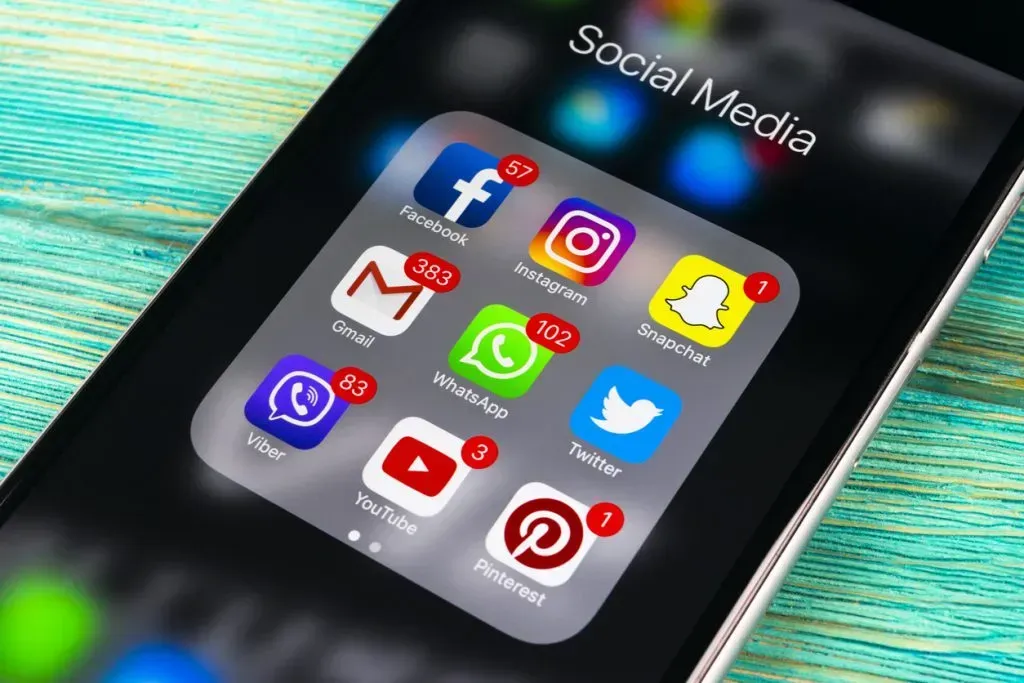
- Facebook uses a paid channel to promote helpful content to your audience’s segment.
- Twitter also uses a paid channel. But there are four main targeting options with Twitters’ ads.
- Followers: Target your ads based on people who follow certain users.
- Keywords: Target people who are tweeting about specific topics.
- Tailored audiences: Upload your email database and target people at certain lifecycle stages (your blog subscribers who aren't yet leads, for example).
- Remarketing: Set up conversion tracking and target users who have previously been active on your website.
- LinkedIn shows ads in the consumer’s feed due to visiting a website and entering their details to receive a particular product or service quote. This setup is 'native' to the platform.
While inbound digital advertising is generally content-centric, it's wise to use social media platforms’ targeting capabilities to tailor your ads depending on where someone is in their buyer's journey.
To learn more, you can start your free digital advertising certification here. This certification course is open to everyone who wishes to learn more about digital advertising and receive a certificate when you completed the course.
If you are looking for a marketing agency to support your inbound marketing strategy, book in a
free consultation here to discuss your goals.


Love My Online Marketing has 10+ Years of working alongside businesses and helping them grow. Discuss your options for online success from website Design and Development through to Google Marketing.
Do you want more traffic and business leads?
Love My Online Marketing is determined to make a business grow. Our only question is, will it be yours?