Crown Street, Wollongong, 2500

Enhance Your Online Privacy Without Sacrificing Speed
Melody Jaimon • January 21, 2026
We’ve all experienced the frustration of the spinning buffering wheel while streaming a movie or freezing in the middle of an important video call. It’s enough to make you want to uninstall any software slowing down your connection. At the same time, the threat of data breaches and identity theft is real. You know you should protect your digital footprint, but you worry that adding security layers will turn your high-speed internet into a dial-up line.
It often feels like a zero-sum game: you can secure your connection or you can speed it up, but not both. This is a common frustration for remote workers, gamers, and anyone who hates waiting for a webpage to load.
However, the idea that security equals slowness is largely an outdated myth. Personal encryption and online privacy tools have reached a new level of sophistication. In many cases, securing your setup can actually make your browsing more efficient by eliminating the digital noise that consumes your bandwidth.
This article will debunk the myth that you have to sacrifice performance for protection. We’ll also cover practical security tips to keep your online privacy intact while maintaining your internet speed.
Privacy vs. Speed: The Basics
Before jumping into solutions, it helps to understand what’s happening behind the screen. "Online privacy" isn’t a single switch you turn on or off; it’s a combination of measures. It involves hiding your IP address to prevent location tracking, encrypting data so hackers (or your ISP) can’t read it, and stopping trackers from following you across the web.
On the other hand, internet speed depends on several factors. ISP bandwidth throttling, your physical distance from the server, and outdated hardware (like old routers) can all significantly impact performance.
Issues usually arise when privacy tools fall short. You will notice a delay if a tool routes your data halfway across the globe or uses an overly complex formula to secure your data. However, with an optimised tool, the speed difference should be negligible.
Debunking the Myth
The idea that privacy results in a slower internet connection does contain a grain of truth. Encryption requires processing power, known as "overhead." When encrypting data, your computer performs calculations to scramble the information, and the receiving server must process it to unscramble it. Ten years ago, this overhead was noticeable.
Today, however, computer hardware and smartphones are so powerful that the processing power needed to encrypt a typical web connection is barely a blip for modern devices.
There is also a twist in the narrative: privacy measures can actually speed up your internet. The modern web is overloaded. When you open a news website, you aren’t just loading the article; you are also loading multiple advertisements, tracking scripts, and analytics tools hidden from view. These invisible elements consume bandwidth and processing power. By blocking them for the sake of privacy, you make your connection lighter and faster.
4 Ways to Enhance Privacy Without Losing Speed
You don’t need to be a cybersecurity expert to find the right balance between security and efficiency. Here are four practical ways to protect your personal data without slowing down your internet.
1. Use Proper VPN Protocols
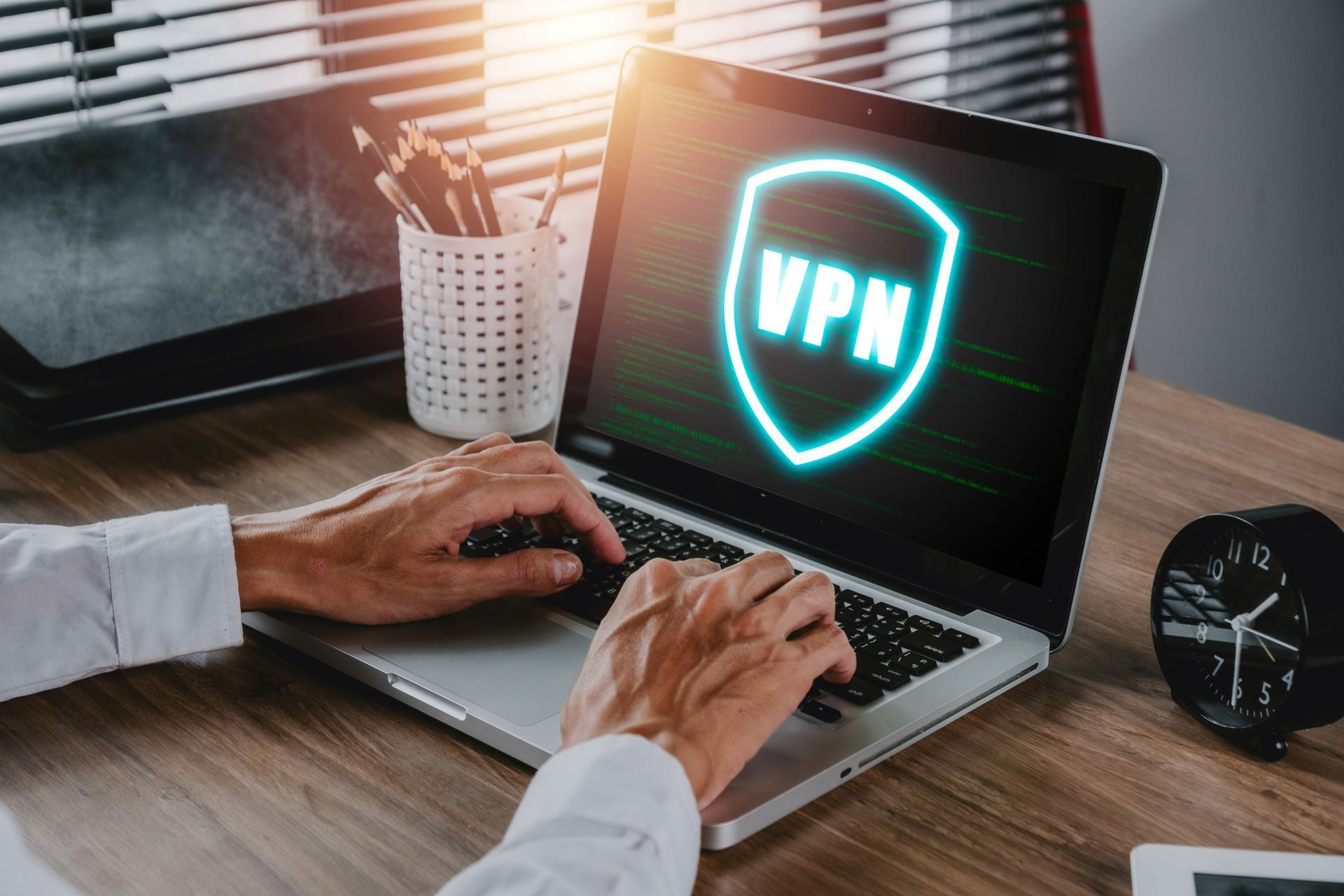
A Virtual Private Network (VPN) is arguably the best option for ensuring privacy while browsing. It masks your identity and location by creating a secure tunnel for your data. Historically, VPNs were associated with slower speeds, sometimes cutting performance by half. This was mostly due to outdated protocol bundles like OpenVPN, which were code-heavy—secure, but slow.
The solution is to choose a VPN that supports modern protocols, most notably WireGuard. WireGuard introduces a communication protocol with a much smaller code footprint than older alternatives. Despite delivering advanced cryptography, it is designed to be extremely lightweight. As a result, users experience faster data transfer speeds and reduced battery consumption, making it ideal for everyday browsing, streaming, and mobile use.
This is especially important for YouTube users, where speed and stability directly affect streaming quality. Whether you’re watching videos in 4K, avoiding buffering, accessing region-restricted content, or running a YouTube channel, a fast VPN protocol ensures smooth playback.
Getting the right balance often depends on choosing a provider known for delivering high speeds without compromising security. Many users explore video reviews and creator recommendations on YouTube to find reliable deals and performance comparisons. For example, it’s common to find Surfshark youtuber codes that allow users to access premium VPN features at a significantly reduced cost. Platforms such as VPNOverview stand out by highlighting these offers and reviewing services that maintain low latency alongside strong encryption—helping users avoid spending money on VPNs that slow them down.
2. Tweak Your Browser & Extensions
Your internet browser isn't just a window to the web; it is a major channel that companies and advertisers use to track your movements. Cookies and third-party scripts build a profile of your habits, which is a privacy violation that also slows down website loading times.
There are two ways to solve this. First, you can use a privacy-oriented browser like Brave or Firefox, which block most trackers by default. If you prefer Chrome or Edge, you can install a lightweight content blocker like uBlock Origin.
Unlike heavy antivirus programs that scan every pixel, uBlock Origin simply stops tracking scripts before they load. The result? Pages load much faster because your browser isn't wasting time downloading ads you didn't ask for.
3. Use Privacy-Focused Search Engines
When you use Google or Bing, your query is saved and analysed to build your digital profile. Behind the scenes, this data transfer keeps servers constantly working to deliver targeted ads.
Consider switching to engines like DuckDuckGo or Startpage. They don’t track you or create user history. Because these engines don’t load code for personalised ads or track visitors, searching often results in a cleaner, faster experience.
4. Use Encrypted Email
Privacy extends to how you communicate. Popular email providers often scan your emails to "improve user experience" (usually code for targeting ads).
By moving to an encrypted email provider like ProtonMail or Tutanota, you benefit from zero-knowledge encryption. This means not even the hosting company can read your emails. In terms of performance, these services rival Gmail and Outlook. The encryption process happens instantaneously on your device, ensuring your conversations stay private with no delay.
Troubleshooting Your Connection
Sometimes the problem isn’t your security software, but your environment. If you’ve followed the recommendations above but still face issues, run through this quick checklist.
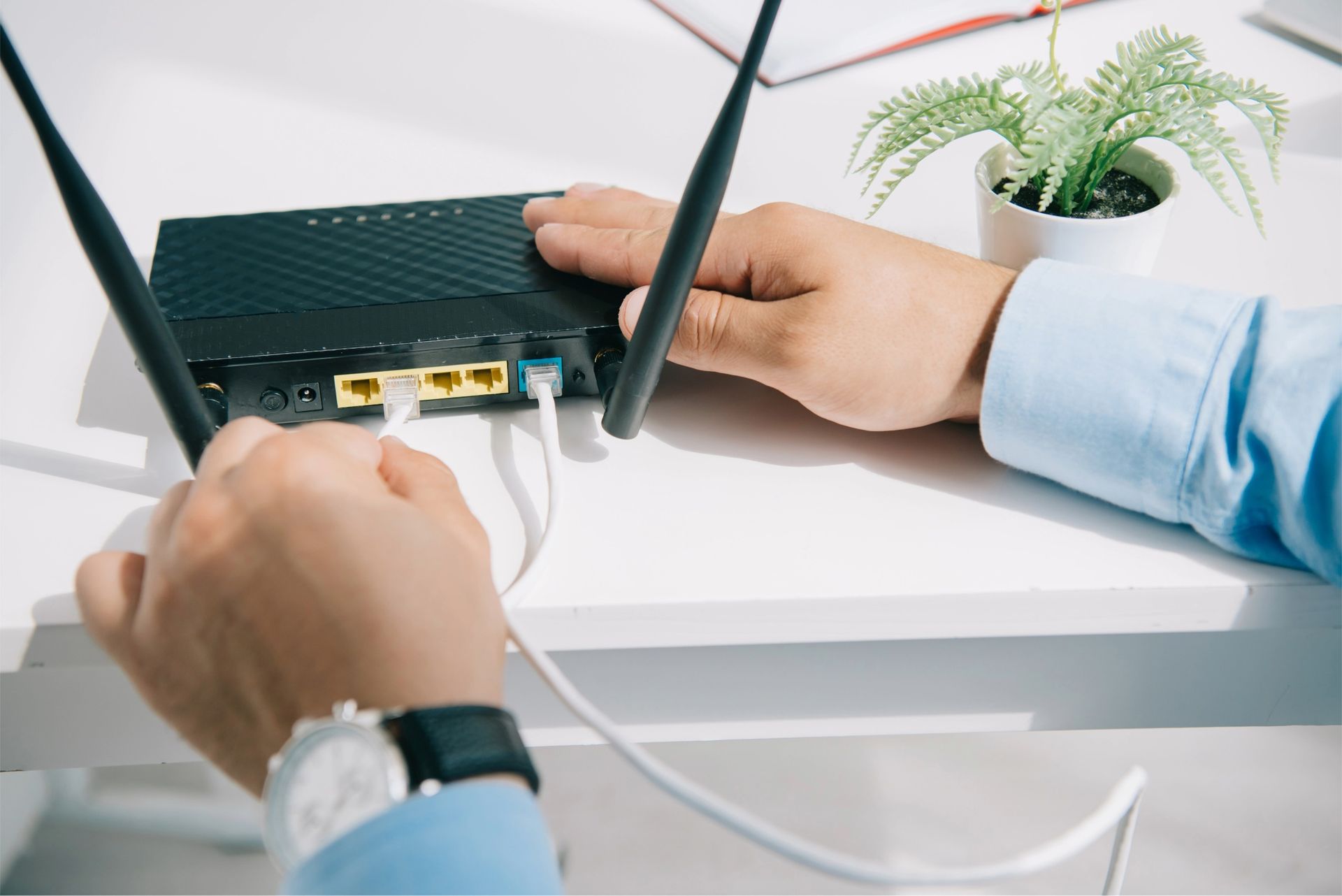
- Check Your Hardware: Encryption requires some processing power. If you are running a VPN on a 10-year-old router, the router's processor might be the bottleneck. Modern routers and modems handle encrypted traffic much more efficiently.
- Bypass ISP Throttling: In some cases, security tools actually improve internet speed. Internet Service Providers (ISPs) sometimes throttle (slow down) specific types of traffic, such as streaming or gaming, to prevent network congestion. Because a VPN hides your activity, your ISP only sees data being transferred, not what the data is. This prevents them from throttling your connection based on your activity.
- Update Regularly: The most valuable security tip is keeping everything updated. Developers are constantly working to make software faster and more efficient. Updates bring patches that fix security loopholes and optimise system performance. Failing to update exposes you to attacks and leaves you using slower, less efficient software.
Conclusion
It is time to stop viewing online privacy as a trade-off for speed. Privacy is a right, and accessing it has never been easier. You don’t need to stare at a buffering screen just to ensure your personal data is secure.
By opting for modern protocols like WireGuard, preventing your browser from loading resource-draining trackers, and using software that respects your privacy, you can browse safely at high speeds.
If these steps seem daunting, just pick one to start. Download a good ad blocker or change your search engine for a day. Chances are, you’ll notice the internet feels lighter, faster, and much more private.


Love My Online Marketing has 10+ Years of working alongside businesses and helping them grow. Discuss your options for online success from website Design and Development through to Google Marketing.
Do you want more traffic and business leads?
Love My Online Marketing is determined to make a business grow. Our only question is, will it be yours?