Crown Street, Wollongong, 2500

How to Blog and Why Businesses Should Do It
Melody Jaimon • April 8, 2020
A new blog is published every 0.5 seconds with some businesses publishing up to three times daily it may leave you wondering why do businesses blog?
In order to understand the answer, I will first explain what is a blog?
What is a blog?
Website design is broken down into three main types of content: pages, posts and products. Posts are blogs that are written in a single page that contains text content in the style of an article.
The difference between website pages and blogs are people come to website pages for information about a company whereas people come to blog posts for information about a topic. Amazingly over 77% of internet users now read blogs or have subscribed to at least a few.
If you are not currently blogging, you are actually not alone with 43% of business owners saying they don’t know what blogging is or don’t actively blog for their business.

So why do businesses blog?
Blogging has a very straightforward purpose – to rank your website higher in search engines such as Google and validate your expertise. Increasing your visibility on search engines directly results in more leads. Having a blog and writing about important topics that are relevant to your audience establishes yourself as an authority in the space and helps with conversions of those leads.
Other than people just typing in your website's URL, your www address (which is pretty unlikely to happen for most businesses), blogs are a popular, effective, and affordable way to bring people to your digital domain. In fact small to mid-sized (SMB) businesses that blog experience 126% more lead growth than those that don’t bother.
What should you blog about?
Blogging works as a method for attracting an audience because it provides something of value to them before asking for anything in return. Are you knowledgeable about a particular topic? Focus on presenting solutions to problems and sharing them.
Your blog titles are important
Your headline exists to entice your readers to dig deeper into your content. Writing great headlines is one of the best ways to make your content shareable, get found on search engines, and grow your traffic.
Pay attention to headline length
Headlines that are 55 characters long get the highest number of click-throughs. Headlines with 6–7 words typically get the best results.
Use Powerup Words
For the best results try to include powerup words in your blog titles. Think about the last time you searched for something on Google. If you want to find something out, you naturally type, “How do I xxx.” And as a result, you click on the search results that start with “How to xxx.”
It has been analysed and the blogs that get the most amount of searches use the below power words.
- Guide
- Awesome
- New
- Fast
- Crazy
- How to
- Research
- Proven
- Results
- Amazing
- Step-by-Step
Headlines with "you will want to" also tend to regularly rank higher.
Titles with Numbers
Our brains are attracted to numbers because they automatically organise information into a logical order. In marketing and advertising, a single, small odd-numbered digit, like 3 for example, is like candy for your organizational mind.
- A number is better than a word. ie 7 as opposed to seven
- Small numbers are more digestible than large ones.
- Odd numbers appear more authentic than even numbers.
Quality, not Quantity
The purpose of a blog is to provide readers with high quality content. Google's algorithm update, Panda actually penalises content that is not up to the mark, duplicated or spammy. Focus on quality and this will also bring traffic to your website.
How often should I blog?
A recent study from HubSpot shows that B2B companies that publish 16-plus blog posts per month receive 3.5 times the amount of traffic as companies that publish only 0-4 posts per month. Overall, the good news is that bloggers who publish weekly were 2.5 times more likely to report “strong results” than bloggers publishing monthly or less. So, simply put, how often should you post? The very easy answer is, it depends!
Quantity does have the ability to get your site a huge amount of visitors and you shouldn’t publish content just for the sake of having more posts. You should align your frequency to your content goals and the resources you have to create content. With the average marketer spending 1 -2 hours on a 500 word blog, and these are professionals it can be very time consuming for a business owner to find time to blog frequently themselves. This is where our blog services can be utilised.
So what does a business need to do to get a blog started?
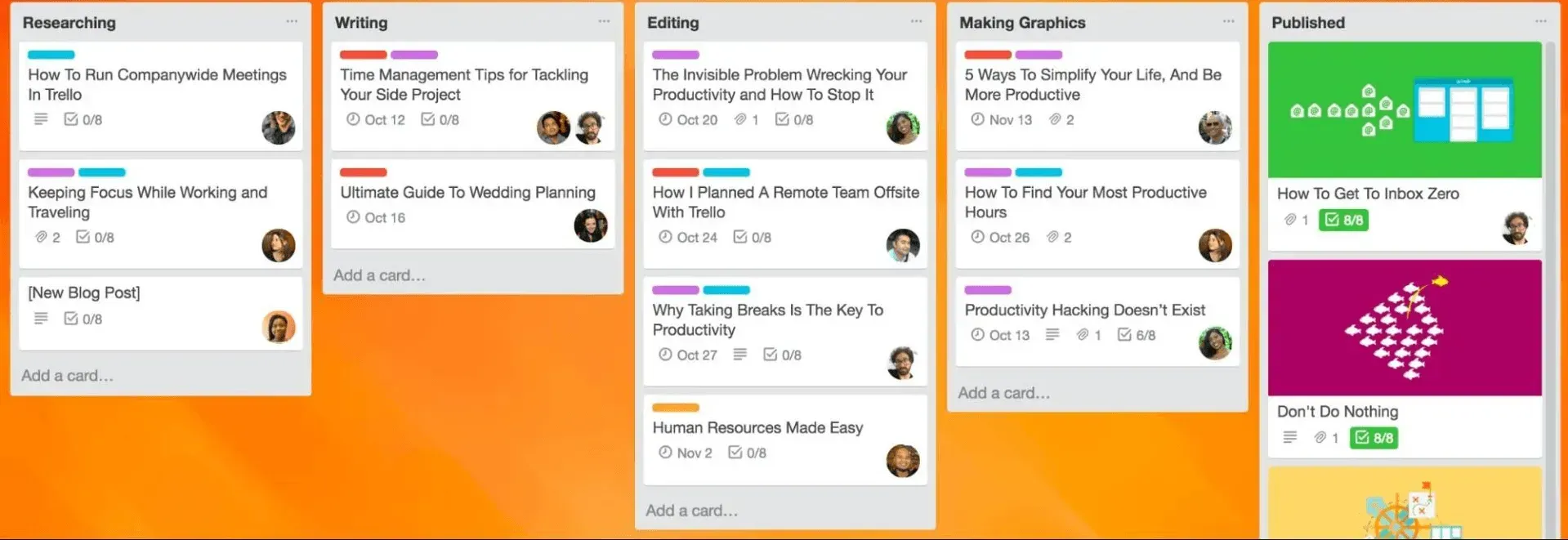
A content calendar would be my first suggestion this helps keeps you on track and creates a system to ensure your content and blog ideas are written down and content is published on time within a schedule. You can also use a free tool like Trello, Google Calendar or Asana to create your blog content calendar or assign ideas to other team members.
If you need a hand with getting a blog up and running or wanted to increase your viability online with SEO services, get in touch with Love My Online Marketing. We will be more then happy to have a chat and see what is the best plan for your goals and business moving forward.


Love My Online Marketing has 10+ Years of working alongside businesses and helping them grow. Discuss your options for online success from website Design and Development through to Google Marketing.
Do you want more traffic and business leads?
Love My Online Marketing is determined to make a business grow. Our only question is, will it be yours?